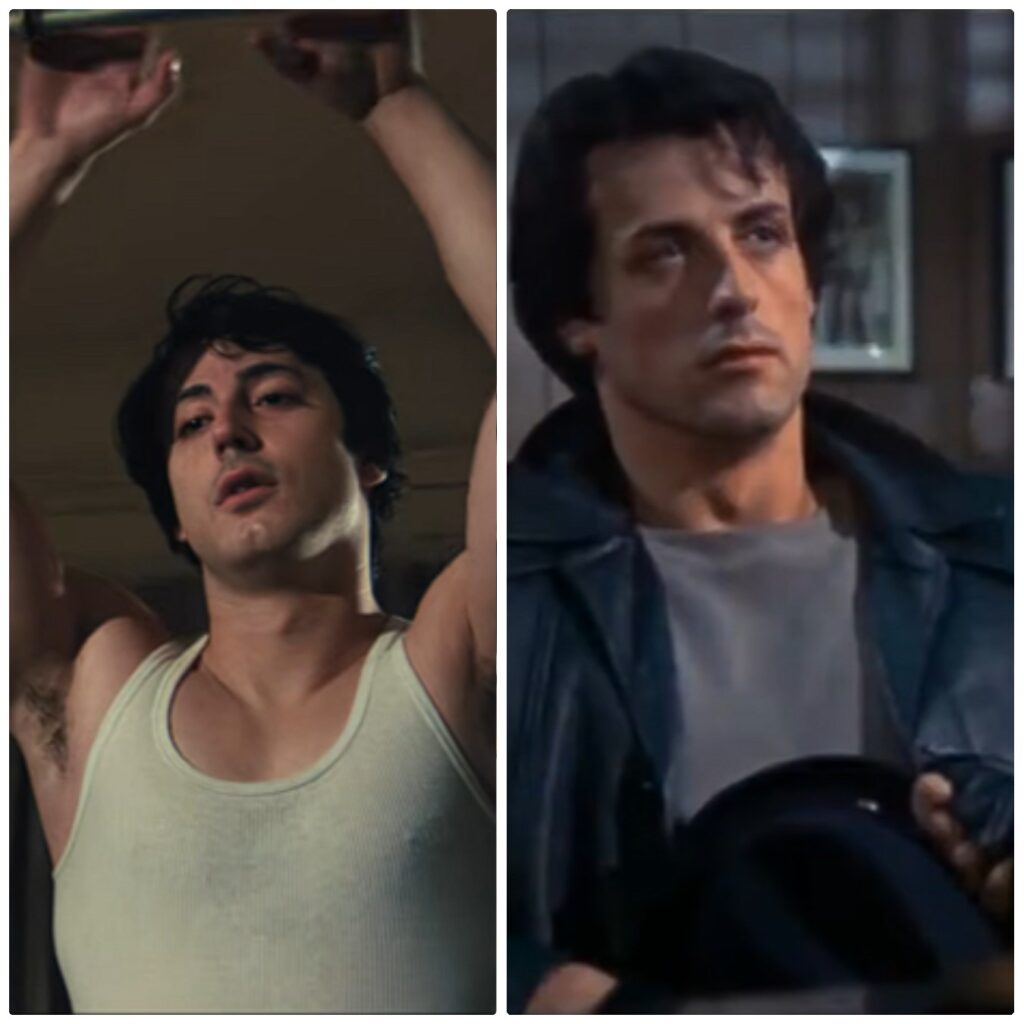
Sylvester Stallone’s portrayal of Robert “Rocky” Balboa delivered unforgettable fights in the ring and helped turn Rocky into one of the biggest box office success stories in film history. Released in 1976, the first film in the franchise was directed by John G. Avildsen and written by and starring Stallone. It grossed more than $225 million worldwide against a production budget of just $1 million, achieving an extraordinary return of over 11,000%.
Now, 50 years later, audiences can finally witness the incredible effort the crew poured into Rocky (1976) in I Play Rocky, the upcoming movie directed by Peter Farrelly and written by Peter Gamble.
The trailer paints Stallone as an underdog fighting against Hollywood’s rejection—dismissed for his looks and voice. Refusing to wait for opportunity, he seized control by hammering out a script in just three and a half days. Studios saw promise in the story but balked at letting its writer star. Stallone wouldn’t budge, turning down ever‑richer offers, determined that if the film was made, he would be the one stepping into the ring as Rocky.
Rocky’s Fight Beyond the Ring
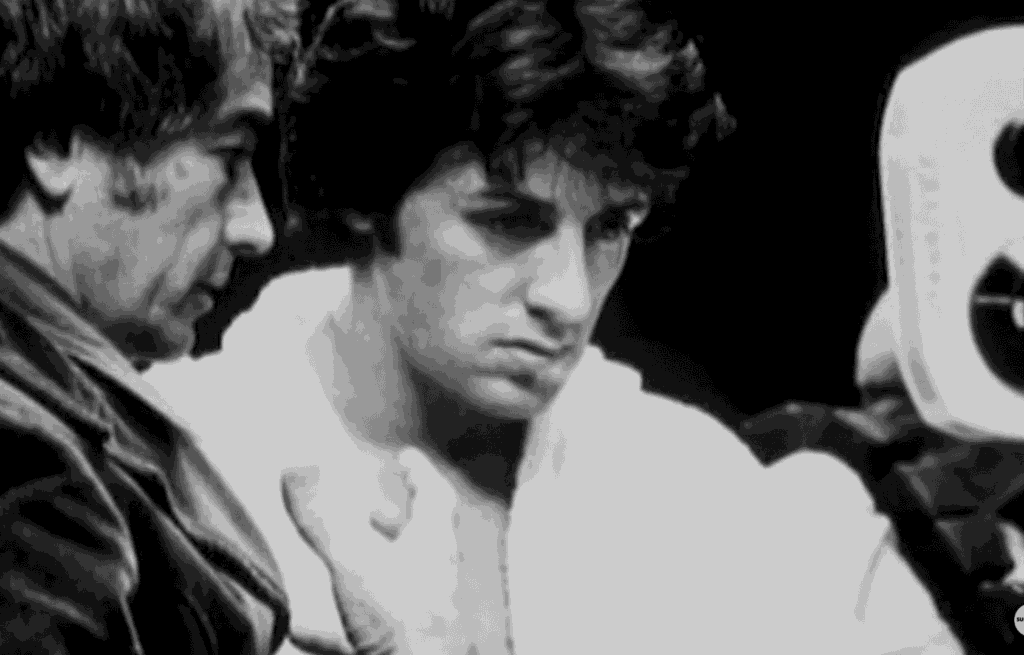
On March 24, 1975, the championship match between Muhammad Ali and Chuck Wepner inspired Sylvester Stallone, who went on to write the screenplay for Rocky in just three and a half days.
Although Stallone denied that Chuck Wepner’s fight provided any inspiration for Rocky, Wepner insisted otherwise and eventually sued. The case was settled out of court for an undisclosed amount.
According to Henry Winkler, Stallone’s co-star in The Lords of Flatbush, Stallone had taken his script to network executives, who bought it with plans to make a TV movie—on the condition that another writer revise it. Stallone begged Winkler to stop ABC from handing the script to another writer, and Winkler ultimately convinced ABC to sell the rights back.
Stallone insisted on playing the lead role, which led many producers and studios—from Film Artists Management Enterprises (FAME) to Winkler‑Chartoff Productions (not associated with Henry Winkler)—to reject the project. Yet he never gave up.
Stallone ultimately secured the starring role, and American film and television company United Artists became interested in his script. Though the studio initially feared the project might be a disaster, the film stayed on track and went on to become one of United Artists’ greatest successes.
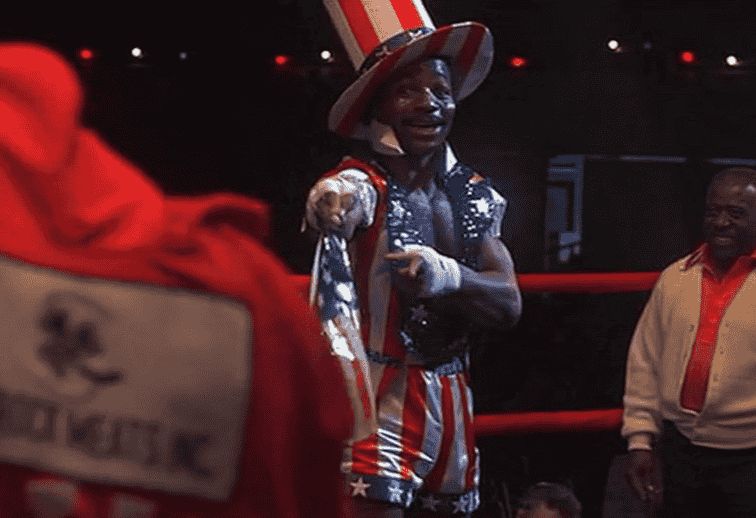
Producers first looked to real‑life boxer Ken Norton for the role of Apollo Creed, the iconic rival‑turned‑friend. When Norton stepped away, the opportunity opened up for Carl Weathers—who audiences later came to love as Combat Carl in Toy Story and Greef Karga in The Mandalorian (2019–2023).
It’s hard to believe this low‑budget film even pulled in Stallone’s own family for small roles: his father rang the bell to mark each round, his brother Frank appeared as a street‑corner singer, and Sasha, his first wife, worked behind the scenes as the stills photographer.
For Sylvester Stallone, the long‑awaited moment finally arrived when filming on Rocky began on January 9, 1976. Most of the shoot unfolded across Philadelphia, and to capture those unforgettable training runs through the streets and up the Art Museum steps—later nicknamed the ‘Rocky Steps’—the crew relied on Garrett Brown’s brand‑new Steadicam, which gave the sequences their famous.
Remarkably, Rocky was only the third film to make use of Garrett Brown’s groundbreaking Steadicam technology, following Bound for Glory and Marathon Man.
The biographical drama is led by Anthony Ippolito (Purple Hearts) as Sylvester Stallone, joined by an ensemble that includes Stephan James, AnnaSophia Robb, Matt Dillon, P.J. Byrne, Toby Kebbell, Tracy Letts, Jay Duplass, and Robert Morgan.
Amazon MGM Studios will roll out the film in U.S. theaters on November 6, 2026, beginning with a limited release before expanding wider.